EPR compliance services for industrial B2B manufacturers
Your packaging doesn’t have to touch a retail shelf to count.
“We build components for other manufacturers. EPR is a consumer-brand problem, not ours.”
It’s the assumption almost every EHS and environmental compliance manager on the industrial side starts with, and it’s often wrong. EPR laws are written around packaging categories and material weight, not around whether your product ends up in a shopping cart. Most compliance software built for this space is designed for CPG brands with retail packaging, which leaves industrial and B2B manufacturers with a tool that tracks their fees but was never built to help them lower those fees or even flag which industrial packaging counts in the first place.
Where industrial packaging actually falls into scope
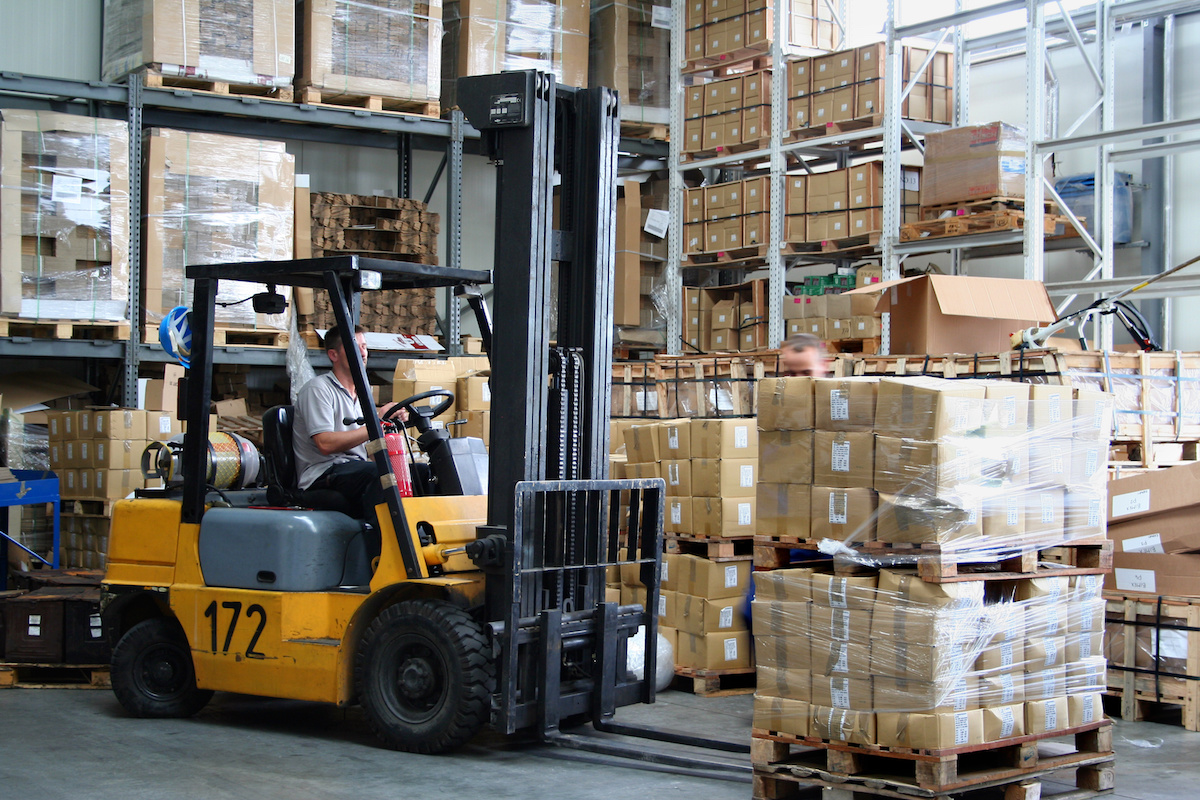
Tertiary and transit packaging, crates, blocking and bracing, stretch wrap, corrugated pallet sleeves, foam corner blocks, can all be in scope even though none of it reaches a consumer. California’s SB 54 applies broadly across primary, secondary, tertiary, and e-commerce packaging, and its reporting requirements go down to individual materials such as tape, liners, and tear strips, well past simple box counts. Oregon and Colorado layer their own registration and reporting requirements on top, each administered through Circular Action Alliance but on separate timelines. A manufacturer shipping into all three states is managing three compliance relationships built on the same underlying packaging data most industrial procurement systems were never built to track at that granularity.
Why this lands on an EHS desk unprepared
EPR compliance doesn’t fit neatly into one job description. It touches packaging, procurement, sustainability, and legal, but the reporting obligation usually lands on whoever already owns environmental compliance. By the time it reaches an EHS manager, registration windows have often already passed, and the first real ask, from a PRO or an internal audit, assumes material-level weight data for every SKU’s packaging that most industrial manufacturers have simply never collected before.
What BoldtSmith does differently
We’re packaging engineers, not a compliance platform. A software tool can tell you your fee total. It can’t tell you which corner block, which pallet wrap, or which void fill is driving that number, and it definitely can’t redesign it. Our process starts with a free 30-minute call to get your packaging and your states in scope on the table, followed by opportunity identification that translates your actual packaging into pounds by material and by SKU, not a compliance dashboard. If a redesign is worth pursuing, teardown and redesign identifies the specific changes that cut both weight and fees, and you can stop after any stage. On a teardown, we guarantee at least 8% in verifiable savings on that item, whether it shows up in material cost, EPR fees, or both, or you don’t pay for it.
Retail visibility isn’t the test. What matters is the material category and where the shipment ends up. Check per SKU rather than assuming B2B exempts you automatically.
Software tells you your number. It doesn’t lower it. Lowering it requires an engineering review of your actual packaging, which is a different discipline than reporting software provides.
Often yes, particularly for transit and protective packaging that most industrial teams never think to categorize. A free EPR Exposure Snapshot can confirm your specific exposure.
Start with one accurate packaging weight dataset by material category, then map it against each state’s requirements rather than starting over per state.
Get your free EPR Exposure Snapshot and see where you actually stand before your next filing deadline.
KNOW YOUR NUMBER
Your fee is being set by the packaging you use today.