California EPR Compliance for Packaging Producers

SB 54 set a 2032 finish line. The clock already started.

California’s Plastic Pollution Prevention and Packaging Producer Responsibility Act, SB 54, moved from draft to enforced this year. The Office of Administrative Law approved the permanent regulations on May 1, 2026. If you sell, import, or distribute packaged goods into California, that date started a clock you’re already on, whether or not you’ve registered yet.

Who counts as a producer under SB 54

CalRecycle estimates more than 5,700 producers fall under SB 54. The law defines “producer” through a hierarchy: the brand owner first, then a licensee, then an importer, then a retailer if no one else qualifies. Selling into California through e-commerce counts. You don’t need a physical presence in the state to be on the hook.

Producers with less than $1 million in California sales can apply for a small producer exemption. That exemption isn’t automatic. You still have to register with CalRecycle to claim it, and failing to register remains a compliance gap even if you’d have qualified.

What's due, and when

  • June 1, 2026 (passed): register with Circular Action Alliance, California’s sole approved Producer Responsibility Organization, and submit supply data. Or register individually with CalRecycle. Or file for the small producer exemption.
  • Annual supply reporting: producers report 2023 baseline data and 2025 supply data on the same cycle.
  • August 1, 2026 (passed): individual source reduction plans due for producers complying outside the PRO.
  • Fees: an early flat fee starts in 2026, ahead of full annual program fees beginning January 1, 2027.
  • 2032: covered material must be 65% recycled and single-use plastic packaging reduced 25% from baseline.

Producers collectively fund $500 million a year from 2027 through 2036 into the state’s Plastic Pollution Mitigation Fund. Miss a registration or reporting deadline and the penalty runs up to $50,000 a day per violation, $25,000 for small producers.

Compliance and package performance pull in different directions

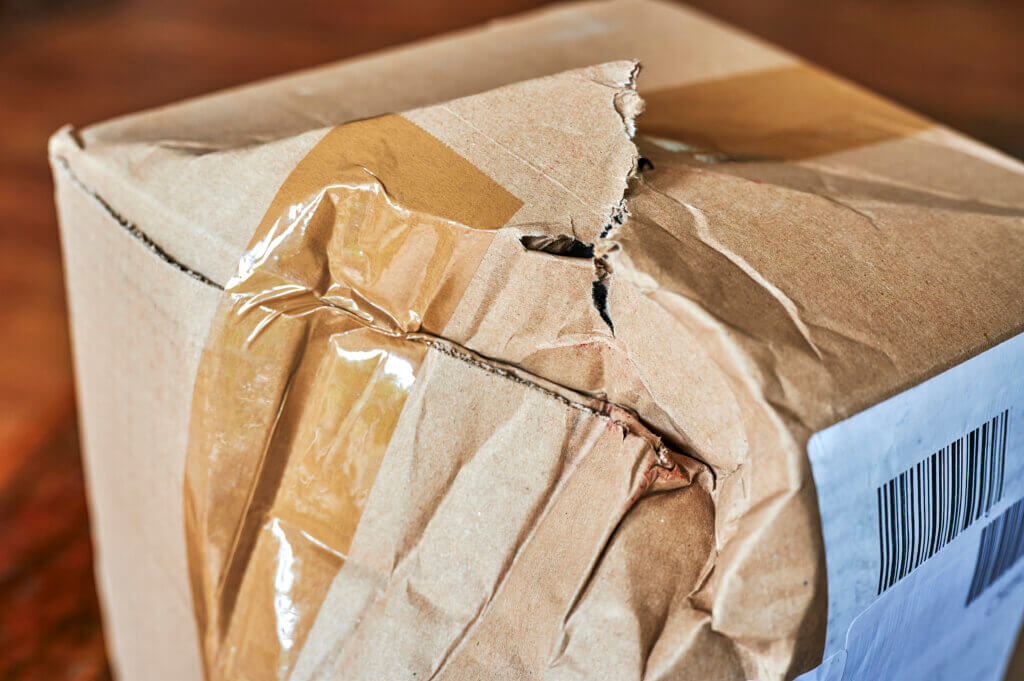
Meeting SB 54’s material targets usually means one of two things: a different material, or less of what you’re using now. Both change how a package performs in a truck. A thinner corrugated wall or a higher percentage of recycled content can satisfy CalRecycle’s recyclability standard and still split open on a pallet in Fresno.

We test for both at once. Our engineers build your redesigned spec against your real transit data, so the change you make for SB 54 doesn’t turn into a damage claim six months later.

How we work

Start with a free 30-minute call to map your covered materials against SB 54’s categories. If you already know where the packaging has to change, we go straight to teardown and redesign, 2 to 3 weeks. If you need the full picture first, that’s a 1 to 2 week opportunity assessment before we touch a spec. Either way, you own the final designs and specs, and you can bid them to any supplier you choose.

This fits best if you’re already shipping a physical product into California and spending real money on packaging. It’s not a fit if your packaging is locked in by a separate regulatory requirement that can’t change, or your California volume is too small to move the needle either way.

Cardboard package that was damaged in shipping and has a crack and dents.

Our clients

California EPR FAQs

Usually, yes, if you’re the brand owner. If the brand owner has no California presence, responsibility moves to the importer, then the licensee, then the retailer. Private label and multi-brand portfolios are where this gets complicated, since responsibility can split across entities.

Producers with less than $1 million in California sales can apply, but registration with CalRecycle is required either way. An unregistered “exempt” producer is still non-compliant.

Penalties run up to $50,000 a day per violation, and CalRecycle can prohibit continued sales of covered materials in the state.

An early flat fee begins in 2026. Full annual program fees, tied to your reported supply data, start January 1, 2027.

Run BoldtSmith's 3-minute SB 54 exposure check to see where you stand.

Talk to one of our packaging engineers about a redesign that satisfies California and holds up in transit everywhere else you ship.